

OopBuy Spreadsheet: Put Your Everyday Wardrobe Together
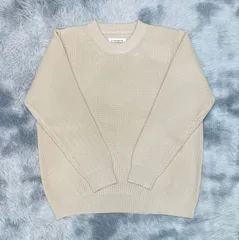
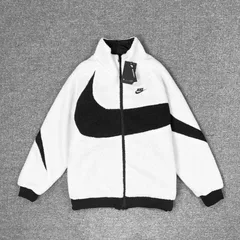
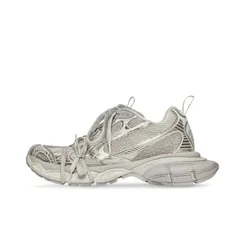
Choose the pieces that work for your day: a knit for cooler mornings, a jacket for the way out or a pair of shoes with a different shape. Explore the OopBuy spreadsheet categories and compare the options before you decide.
Each product keeps its pictures and available price close at hand. Once you find something you like, use the buying and sizing guides to keep the colour, fit and selected version clear from the first click to the warehouse check.
Build a shortlist you can return to
Choose a starting product, then answer one fit question
- Printed top: Open the white floral-lightbulb tee. Compare the intended size's length with a top you wear before deciding where it belongs in an outfit. Browse more T-shirts if the design is not what you need.
- Trousers: Open the distressed camouflage cargos. Establish waist and leg measurements for the selected option; the camouflage pattern cannot tell you the cut. Browse pants and shorts for alternatives.
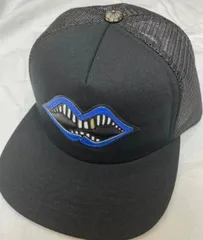
- Headwear: Open the royal-blue ribbed beanie. Check the available size information and how the cuff is shown rather than assuming every knit cap fits alike. Browse headwear to compare other shapes.
These are OopBuy product and category destinations, not prefilled OopBuy purchases. Read the current option, amount and availability at the destination before committing to anything.
Separate browsing ideas from candidates you are actively checking. For an active candidate, record its source, distinguishing features, desired option and check date. Add the reason you saved it and the unanswered question most likely to change your decision.
A vague label such as “black top” becomes difficult to follow when several similar products appear. A specific description helps you keep measurements and pictures with the right item. If you replace a candidate, keep the change visible rather than allowing the new product to inherit an old assessment.
Look at the white graphic T-shirt and record whether the print is the reason you would keep it on your shortlist. Then identify the fit question you still need answered. Check the desired option at the destination; the visible design is not confirmation of availability or fit.
Answer fit and picture questions first
Choose the pieces before comparing their charts: use the clothing shortlist for wardrobe roles or the women's outfit guide to turn a saved look into separate product questions.
For footwear, start with the OopBuy shoes shortlist: distinguish the pair you want from similar alternatives before checking its particular size information.
Use the size guide to compare equivalent measurements with a garment whose fit you understand. A familiar size label does not explain the cut by itself. Keep units and measurement points attached to the numbers.
For QC photos, decide what the image needs to show. An overall view and a detail view answer different questions. Record only what is visible and keep unresolved properties separate from an overall impression.
Follow the right order or parcel record
The order status guide helps distinguish an item-level update from parcel information. The warehouse guide deals with article checks before a parcel choice. Neither a product picture nor an item update automatically means the package has been dispatched.
When a specific shipment is involved, use the tracking guide to compare its identifier and event times. If a question remains, the support guide explains how to prepare a focused enquiry without unnecessary personal information.
Compare shipping with a clear package scenario
Record the contents, destination, weight and dimensions used for an estimate. The shipping calculator guide explains how to compare changes without mixing different assumptions. The shipping guide keeps amount, currency and scope together.
Read a time estimate with its starting event. The delivery-time guide distinguishes the full purchase timeline from a transport segment. An earlier account from someone else is not a promised arrival for your package.
Common questions
The Swedish collection keeps product questions attached to each candidate, with a Sweden shipping example and folded-shirt QC guide.
The Austria collection follows each candidate's next question, with an Austria shipping comparison and folded-shirt QC guide.
The Slovak collection keeps a next step beside each candidate. It includes a Slovakia shipping comparison and a folded-shirt QC example.
Spanish-language readers can use ¿OopBuy es confiable? — español for checks before account and payment actions.
Start with the Spanish OopBuy spreadsheet overview or the Spanish collection comparison for the earlier selection decisions.
Read OopBuy opiniones — español to separate app features from product and delivery experiences.
Where should a new reader start?
Choose a concrete product need and read the step-by-step guide. Work through the decision-changing questions rather than collecting more links indefinitely.
Can I use several spreadsheets together?
Yes. Preserve source and option information when combining finds, and check apparent duplicates before merging their notes.
Are German-language guides available?
The German section provides core guides and related service articles in German. Keep the country and scenario of any cost or process example in view when applying it to your own plans.
Keep your shortlist useful by recording the next unanswered question alongside the last observation you actually checked.
Check the information that changes a decision
| Check | What to look for | Why it matters |
|---|---|---|
| Destination | The opened item matches the saved description | A working link can still lead somewhere unexpected |
| Option | Colour, size and other relevant choices are identifiable | Similar images may describe different selections |
| Measurements | Units and measurement points are understandable | A size label alone does not explain fit |
| Images | The relevant detail is visible and connected to the item | More pictures do not necessarily answer the question |
| Price context | Option, currency and observation date are clear | An old amount is not a current offer |
| Organisation | You can return to the candidate and its open questions | A long list is less useful if you lose the reason for saving it |
Missing information does not automatically mean the product is poor. It means the collection has not answered that question. If the missing detail would change your choice, resolve it before proceeding.